Search policies, people, topics
PoliciesEuropean Union
European Union

Virgin olive oil tasting standards

New proposalUpdated 22 Jun 2026
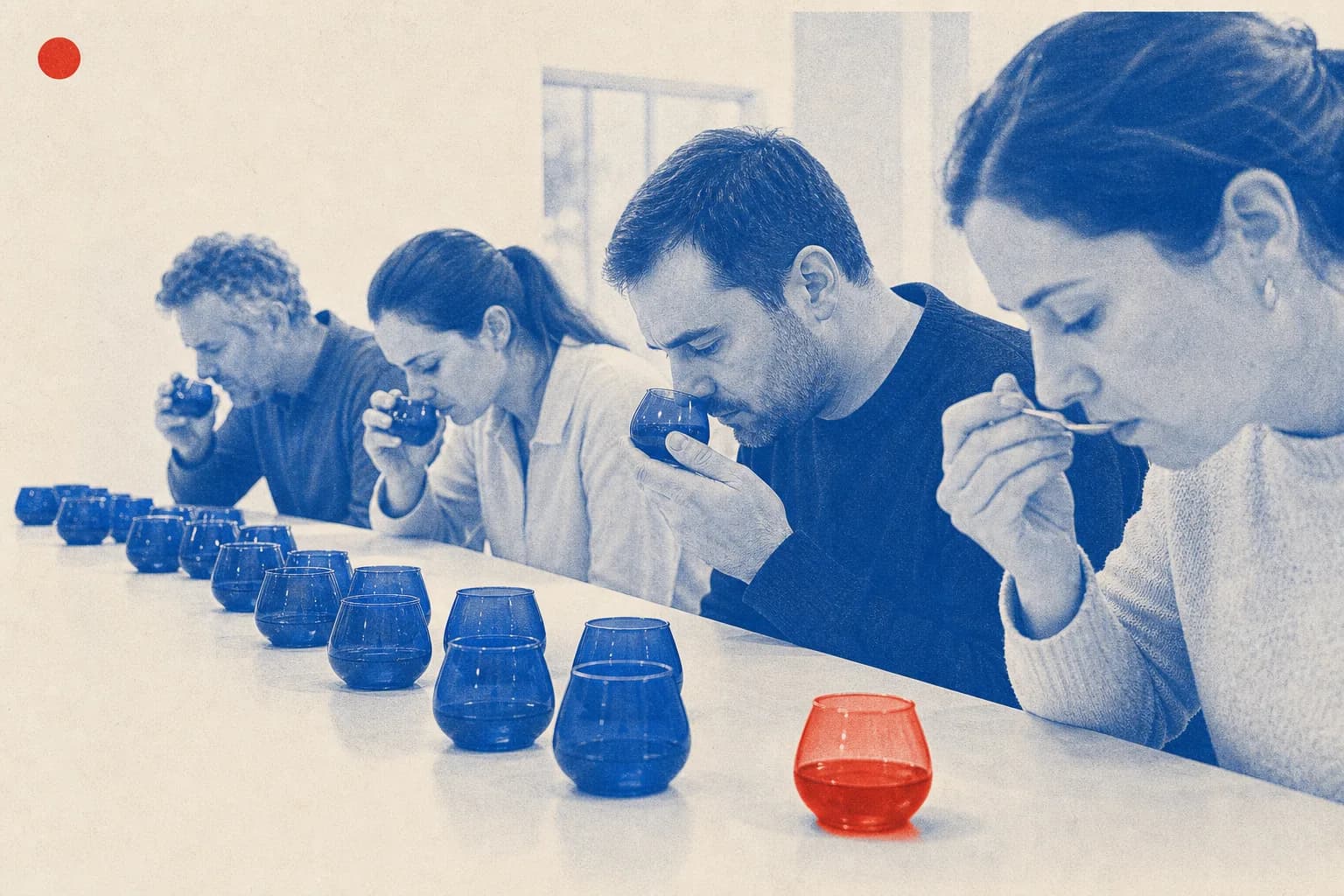
Editorial illustration of Small blue tasting glasses of virgin olive oil arranged for organoleptic assessment for Council Decision on virgin olive oil tasting method
Latest official update

European Commission · 22 Jun 2026

EUR-Lex

Virgin olive oil tasting standards

This proposal sets the EU position in the International Olive Council on the organoleptic assessment method for virgin olive oil.

What this update means

2 min read

What is happening

The European Commission has asked the Council of the EU to approve a Union position supporting two revisions before the International Olive Council (IOC). One covers the glass used to taste oil; the other covers guidance for installing a taste room. This remains a proposal for an EU decision and does not itself adopt either IOC text.21

The organoleptic assessmentThe virgin-olive-oil tasting method addressed by the two planned revisions, which concern the glass used for tasting and guidance on installing a taste room. at issue is the virgin-olive-oil tasting method covered by those documents. The IOC secretariat presented both revised texts to members in November 2025. The Commission says scientific and technical olive-oil experts from the Commission and EU countries discussed them. It argues that the revisions would help harmonise international standards and create a framework intended to ensure fair competition in olive-oil trade.2

Why it matters

The EU is a party to the international olive-oil agreement and sits in the IOC’s Council of MembersThe International Olive Council’s highest authority and decision-making body, in which the EU is represented as a member., its highest decision-making body. The IOC currently has 21 members, while the EU holds 647 of the total 1,000 participation shares used in its decision rule. Decisions are normally taken by consensus. If consensus fails, trade-standard or method decisions are adopted unless at least one quarter of members, or members holding at least 100 shares, reject them.2

According to the Commission’s legal assessment, the planned IOC decisions would be binding under the agreement and could decisively influence EU legislation. EU olive-oil marketing standards must take account of recommendations from international bodies, and the Commission identifies existing EU rules on conformity checksChecks of compliance with olive-oil marketing standards. The Commission identifies EU implementing rules covering these checks and methods for analysing olive-oil characteristics. and analysis methods as the rules affected. The proposed Council decision would set the EU’s position rather than directly rewrite those checks.2

What happens next

The draft targeted the IOC’s 123rd session in June 2026. If adoption were postponed, the proposed EU position could instead be used in an exchange of correspondence before the 124th regular session. Under the draft, EU representatives could accept related technical adaptations without another Council decision when those adaptations result from the two revisions. They would request postponement if new scientific or technical information could affect the EU position.2

The available official record does not establish the detailed changes to the glass or room specifications; it says the revised texts appear in an accompanying Commission staff document.2

Bouleon Brief

2 min read

What is happening

The European Commission’s draft asks the Council of the EU to establish the position that the Union would take in the International Olive Council (IOC). It proposes support for two revisions: Revision 3 of the document on oil-tasting glasses and Revision 2 of the guide for installing a taste room. Both concern the tasting-related assessment of virgin olive oil, termed “organoleptic assessmentThe virgin-olive-oil assessment method addressed by IOC documents on oil-tasting glasses and taste-room installation.” in the proposal.1

If the Council adopted the draft, EU representatives would support both revisions. They could agree to technical adaptations to other IOC methods or documents without a further Council decision, but only where those adaptations resulted from the two revisions. If new scientific or technical information could affect the Union’s position, the representatives would request a postponement until that position was established using the new information.1

Why it matters

The EU is a party to the 2015 International Agreement on Olive Oil and Table Olives and a member of the IOC. The IOC has 21 members, with the EU holding 647 of 1,000 participation shares. Its Council of MembersThe IOC’s highest authority and decision-making body. seeks consensus. If consensus fails, trade-standard and method decisions are adopted unless rejected by at least one quarter of members or by members holding at least 100 shares in total.1

The Commission says experts from the Commission and EU countries discussed the revisions and that they would support international harmonisation and a framework intended to ensure fair competition in olive-oil trade. IOC quality and purity criteria apply to members’ international trade, while EU marketing standards must take account of international standard recommendations. The Commission says the revisions would affect how parameters are checked and influence EU conformity-check rules—the rules used to check olive-oil marketing standards.1

What happens next

The proposal identified the IOC’s 123rd session in June 2026 as the intended decision point. If IOC adoption were postponed because members could not approve the revisions, the draft allowed the same EU position to be taken through correspondence before the 124th regular session. The available official record does not establish the revisions’ practical specifications or a timetable for any corresponding change to EU conformity-check rules.1

Policy journey

New proposal

No later official step is currently published.

  1. New proposalEuropean Commission · 22 Jun 2026